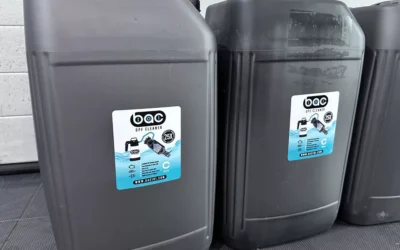
If you drive a modern diesel vehicle, you’ve probably heard of the Diesel Particulate Filter (DPF). It’s a crucial part of your car’s emissions system, designed to capture and store exhaust soot in order to reduce harmful emissions. But over time, the DPF can become clogged, leading to reduced performance, warning lights on the dashboard, and even costly repairs. So, the question many drivers ask is: Can I clean my DPF filter at home?
The short answer is: yes, but it depends on the level of blockage and your level of confidence with vehicle maintenance.
Understanding the DPF
The DPF is typically located in the exhaust system. Its job is to trap soot and other particulate matter before it exits your vehicle’s tailpipe. This soot builds up over time, and under normal driving conditions, the DPF goes through a process called regeneration, where it burns off the accumulated soot at high temperatures. However, if your driving mostly consists of short trips or low-speed journeys, the DPF might not get hot enough to regenerate properly, leading to a blockage.
Signs Your DPF May Be Blocked
Common signs of a blocked DPF include:
-
Loss of power or sluggish performance
-
Increased fuel consumption
-
A DPF warning light or check engine light
-
A strong smell of diesel or excess smoke from the exhaust
If you notice any of these symptoms, it’s essential to act quickly to avoid damaging the DPF or engine.
Can You Clean It Yourself?
1. Passive and Active Regeneration
Before reaching for any tools or cleaners, try taking your car on a long, uninterrupted drive at motorway speeds. This may trigger active regeneration, allowing the system to burn off soot naturally. Ideally, you should drive for 20–30 minutes at over 2,000 rpm.
2. DPF Cleaning Additives
There are many fuel additives available that claim to help clean your DPF. These are poured into the fuel tank and assist in lowering the temperature needed for regeneration. While these can help prevent issues and may assist in mild cases of blockage, they won’t solve severe clogs.
3. Manual Cleaning
For more hands-on DIYers, it’s possible to remove the DPF and clean it manually. This process involves:
-
Removing the DPF unit (which can be heavy and awkward)
-
Soaking or flushing it with a specialised DPF cleaning solution
-
Drying the unit thoroughly before refitting it
While this is technically possible at home, it requires mechanical skill, proper tools, and plenty of time. There’s also the risk of damaging the DPF, which is expensive to replace.
4. Avoid Risky Home Remedies
You may come across tips online suggesting pressure washing, burning out the soot with a blowtorch, or using household cleaners. Avoid these methods. They can cause irreversible damage to your DPF and render your vehicle unroadworthy, not to mention void any warranties.
When to Call a Professional
If the blockage is severe, or if your car has entered limp mode, it’s best to consult a professional. Many garages offer specialised DPF cleaning services using high-pressure machines or ultrasonic cleaning methods that aren’t feasible at home. In some cases, forced regeneration using diagnostic tools may also be required.
Conclusion
Cleaning your DPF at home is possible, particularly in the early stages of blockage. Regular motorway driving and using quality fuel additives can help maintain your filter’s health. For heavier blockages, you may be able to remove and clean it manually — but this is best left to those with the right experience and equipment.
When in doubt, don’t take unnecessary risks. DPF systems are complex and expensive to replace. If you’re unsure or the problem persists, it’s always safer (and often more cost-effective) to seek professional help.